
People cannot equally clean all areas. But they have the ideal goal of eliminating any dirt and bacteria. Take, for example, hospital guidelines for cleanliness versus storage cleanliness. Different structures can interfere. Thus, this article will explore how to apply the process to different spaces.
Cleaning and disinfection
Although they may look similar, there are small differences between these terminologies. The basic facts about commercial cleaning can vary.
Cleaning: Alludes to eliminating soil/cleaning the surface, so it looks “clean”.
Remediation: That uses chemicals strong enough to reduce/kill some bacteria but not all types of microbes.
Most commercial cleaners use a mixture of natural cleaners and disinfectants during cleaning.
The seven steps for commercial cleaning
The business standard for business cleaning observes seven stages in each room. These strategies frequently include handling specific articles before continuing to the following stages. The following describes each step and why it is important to follow it consistently:
1. Dispose of garbage
Garbage bags and pads are emptied and discarded. You must thoroughly disinfect the inside of the bin and put a new clean bag.
2. First, clean the dust to a higher level
Wipe everything above shoulder level while working clockwise or counter-clockwise. That also makes cleaning more manageable, like sweeping the floor from debris before cleaning.
3. Wet cloth
Use a damp cloth with a neutral disinfectant for all surfaces except glass. Common high-touch office surfaces include lighting switches, telephones, door handles and desks. It is a critical stage because of the danger of microbes focused on these surfaces.
4. Stock up on items and products
After cleaning the surfaces with a high degree of contact, the next step requires some restoration. Especially in the case of bathrooms, you should supplement products such as toilet paper, paper towels, and soaps that help with daily cleanliness for two purposes. One of the features is that if publicly available cleaning elements are available, this will help reduce the spread of bacteria and other infections. The second, of course, is the maintenance of social standards.
5. Clean or wipe the floor level
After cleaning the entire level of the shoulders and high surfaces, move on to the lower areas, including the floor. This step involves using a “dry” mop to collect dust from the floor to facilitate the next step. Move bulky and obstructing objects around. You shouldn’t leave any corner with accumulated dirt, which is also dangerous to health.
6. Check the entire area for omitted steps

Before moving on to the last stage, it is crucial to walk around the premises and inspect the area for additional cleaning or something broken or unusual. Using a comprehensive and easy-to-follow checklist helps a lot. No doorman or workman is required to repair damaged items. However, you must report damage to the owner. Detection of damage at the beginning of this step also does not interfere with the wet cleaning process, leading to additional cleaning time if dirt is traced on the floor.
7. Clean each floor surface with water
The last step in cleaning the room involves the process of wet cleaning, which gives a delicate finish to the floor. Fill the cleaning bucket with neutral or diluted detergent. Clean the edges of the rooms as best you can, then chase the centre, moving toward the centre in the shape of an octagon to minimise the chances of stepping on the wet floor. Then, the floor should be allowed to air dry.
Finally, add a sign for a wet floor.
Never forget to openly display the wet floor sign. Otherwise, someone may be injured and suffer legal penalties for you or your organisation.
Differences in approach
The 7-step cleaning process is just a guide. As an industry standard, it follows that each situation may be different or will require different approaches.
Bathroom cleaning and its specific steps
Bathroom cleaning follows the same process. The initial steps of the standard process, including garbage removal, storage and wiping of mirrors, are applied in the same way as in any other room. However, letting the urinal and toilet cleaners soak is a good idea. The longer the cleaning material can stay on the surface, the more effectively it will kill germs.
Never use the same cloth on another surface when wiping urinals or toilets. Wipe all parts with a disposable paper towel, especially for this surface. Use a brush for the interior of the toilet, but still use only towels, especially for toilet surfaces. The right sanitiser is critical for restroom surfaces, so professional cleaning items are ideal.
Hospital cleanliness standards
Cleaning in a health facility follows many different procedures. Each country applies guidelines for healthcare cleaning practices that provide standards for all hospitals and institutes to protect patients and staff and control highly contaminated materials.
Focusing on a hospital setting uses appropriate disinfectant cleaning chemicals that are strong enough to kill all microbes (some are too resistant) while not disturbing or irritating the patient’s health. PH testing may be necessary to achieve this balance and ensure consistency. Finally, wiping high-contact surfaces such as beds, headboards, buttons, remotes, rails, and floors is essential.
Cleaning of commercial premises or offices
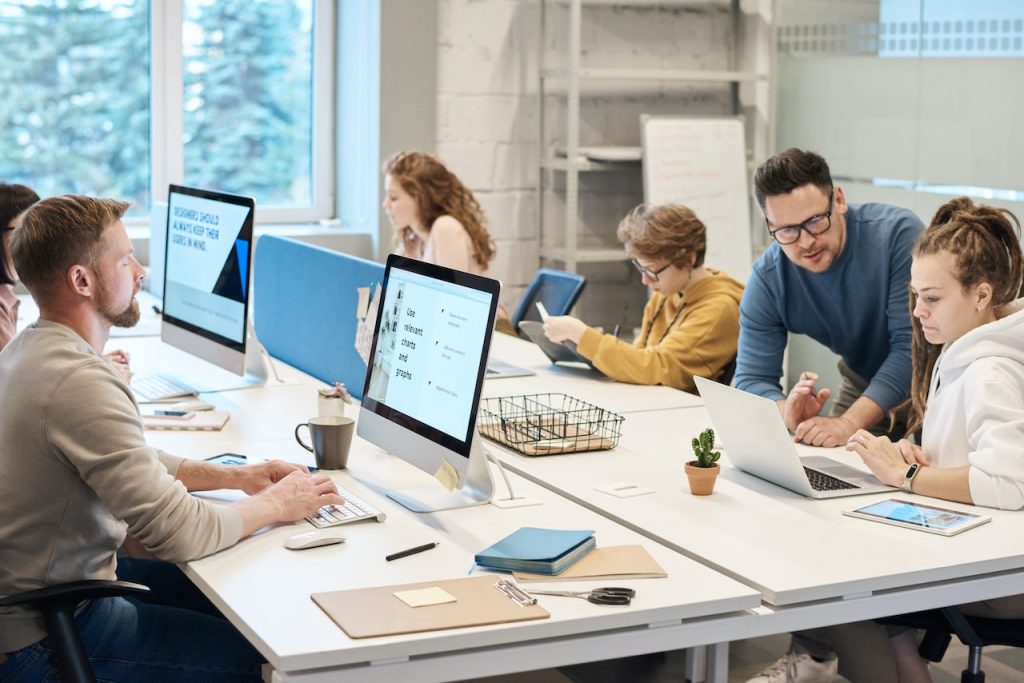
The offices are available in different styles. However, there may be some unique challenges posed by these professional circles. The seven rules still apply to the disinfection of high-touch surfaces such as telephones, computers, desks, door handles, dispensers, etc. One obstacle may be the presence of a carpet if this is the dominant option for flooring in the space. You can vacuum the carpets for regular cleaning. However, other special tools and precautions may be needed to eliminate dirty carpet areas.
